How to Prevent Chipping and Cracks When Cutting Tiles
Understanding the Importance of a Quality Tile Saw Blade
Why a Good Blade Matters
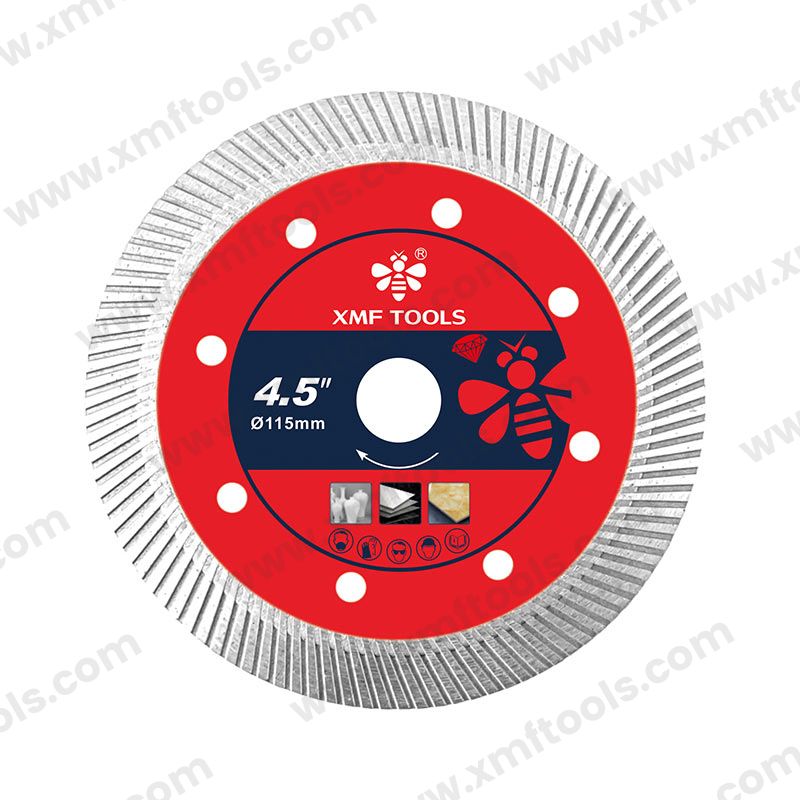
A high-quality tile saw blade, like those offered by XMF, ensures smooth cuts and minimizes the risk of chipping and cracking during the tile cutting process. Investing in the right blade can save time and resources.
Tools Required for Cutting Tiles Without Damage
Essential Tools
Quality Tile Saw Blade (recommended: XMF Blade)
Wet Cutting Tile Saw
Measuring Tape
Pencil or Marker for Marking
Safety Goggles
Ear Protection
Tile Grout or Adhesive
Steps to Cut Tiles Preventing Chipping and Cracking
Step 1: Measure and Mark the Tile
Use a measuring tape to measure the area precisely. Mark the cutting line on the tile with a pencil. Ensure that the line is straight and clear.
Step 2: Set Up Your Wet Cutting Tile Saw
Prepare your wet tile saw according to the manufacturer instructions. Fill the reservoir with water to keep the blade cool during operation, which helps prevent damage.
Step 3: Insert the Quality Tile Saw Blade
Install the XMF tile saw blade securely into the wet tile saw. Ensure that the blade is tightened properly to avoid any wobbling during cuts.
Step 4: Position the Tile for Cutting
Place the tile on the saw table, ensuring it is flat and stable. Align it according to the marked line for accurate cuts.
Step 5: Make the Cut
Turn on the wet saw. Slowly guide the tile towards the blade, using a light pressure. Let the blade do the work, and avoid forcing the tile through the blade.
Step 6: Finish and Clean Up
Once the cut is made, turn off the saw and gently remove the tile. Clean any excess water or debris off the tile, and inspect for chips or cracks.
Common Mistakes to Avoid When Cutting Tiles
Using Dull or Inappropriate Blades
Always use a sharp, high-quality blade designed specifically for the material of your tile. Dull blades can cause chipping.
Skipping the Cutting Guide
Cuts need to be measured and marked accurately; skipping this step can lead to wasted tiles and frustrating errors.
Applying Too Much Pressure
Force can easily create cracks; allow the saw to perform the cutting smoothly without extra pressure.
Not Using Water to Cool the Blade
Failing to use water can lead to overheating of the blade, which can damage not only the blade but the tile as well.
Final Thoughts on Tile Cutting
By following these detailed steps and using a reliable embedded ellipsis, like our XMF tile saw blades, you can significantly reduce the chances of chipping and cracking tiles during operation. Always remember to invest in quality tools for the best results.
Preventing chipping and cracks in tile cutting is about controlling stress—mechanical, thermal, and structural. A high-quality cut is the result of balanced blade selection, stable machine operation, proper cooling, and correct cutting technique.
When all variables are aligned, the cutting process shifts from force-based breaking to controlled material separation. That is what produces clean, sharp edges suitable for professional installation and high-end finishing work.


Comments
Post a Comment