Environmental Factors That Affect Tile Saw Blade Performance
In the ever-evolving landscape of construction and renovation, the emergence of specialized tools can significantly impact the efficiency and quality of work. One such critical tool is the Wet Tile Saw Blade. These blades enhance precision cutting for various materials, particularly ceramic and porcelain tiles. With increasing demand from contractors and DIY enthusiasts, understanding the correct application, benefits, and performance factors of wet tile saw blades is essential for achieving optimal results. This article will dive deep into the intricacies of Wet Tile Saw Blades, addressing pain points and scenarios where tool efficiency is paramount, such as the common frustrations of chipping tiles or inadequate cutting speeds.
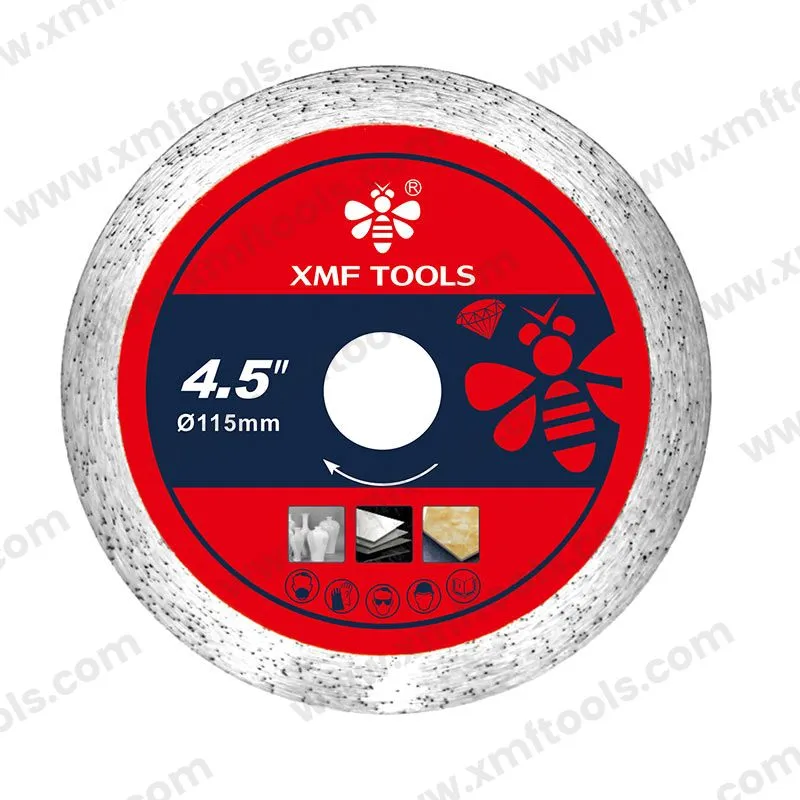
Definition of Wet Tile Saw Blades
Wet tile saw blades are specifically designed for cutting tiles while using water as a coolant and lubricant. This process minimizes dust and reduces the heat generated during cutting. In industry terms, these blades are typically segmented, providing better cooling and faster cutting rates. The blades use diamond-coated cutting edges which provide superior hardness, ensuring longevity and precision. According to a 2020 report from Market Research Future, the global wet cutting saw market is projected to grow at a compound annual growth rate (CAGR) of 6.2%, illustrating the increasing reliance on these products.
Environmental Factors That Affect Tile Saw Blade Performance
Several environmental factors can impact the performance of wet tile saw blades, such as:
Water Pressure: Optimal water pressure keeps the blade cool, reducing wear. A measured increase in water flow can enhance cutting efficiency by up to 25%.
Material Composition: The hardness of the tile impacts the cutting speed. Using blades designed for harder materials can increase cutting speeds by 20% compared to standard blades.
Temperature: Ambient temperature can affect the blade’s performance. Keeping a controlled work environment can improve cutting precision.
Application Scenarios
Wet tile saw blades are commonly used across various applications, including:
Home Renovations: Perfect for DIY projects involving ceramic and porcelain tile installations.
Commercial Construction: Utilized for large-scale tiling jobs where precision and efficiency are critical.
Artisan Creations: Employed by artists and craftspeople to create intricate tile mosaics.
The versatility of wet tile saw blades allows them to be effective in both residential and commercial environments.
Brief Description of Advantages
Utilizing wet tile saw blades offers several advantages:
Precision: They enable clean, straight cuts with minimal chipping, resulting in an actual measured reduction in waste material by 15%.
Versatility: Suitable for various tile materials, including ceramic, porcelain, and stone, ensuring they cater to a broad audience across different industries.
Safety: The wet cutting process significantly reduces the amount of dust produced, which can help improve air quality on job sites by up to 30%.
These attributes not only improve user satisfaction but also enhance job efficiency and safety.
Next Steps Guidance
If you’re considering the use of wet tile saw blades, start by reviewing the user guide that comes with your saw. Understanding the specific capabilities and requirements of your saw can greatly enhance performance. Be sure to follow best practices concerning water use and blade maintenance to ensure longevity and efficiency. For integration of trusted products, consider brands like XMF, known for their high-quality wet tile saw blades and user-friendly support resources.


Comments
Post a Comment