Sintered vs. Electroplated Diamond Tile Saw Blades: Which to Choose?
When tackling any tile cutting project, having the right tools can make or break the final results. This is where the Wet Tile Saw Blade becomes essential. With the increasing demand for precise and clean tile cuts, professionals and DIY enthusiasts alike are turning to Wet Tile Saw Blades to ensure pristine edges without chipping or breaking. Whether you are installing a stunning new backsplash or prepping for a floor tile renovation, selecting the right type of blade can maximize efficiency and deliver superior results. However, the confusion often arises between the two popular types: sintered vs. electroplated diamond tile saw blades. Understanding their differences and applications is vital to resolving common pain points like blade wear, cutting speed, and achieving clean finishes.
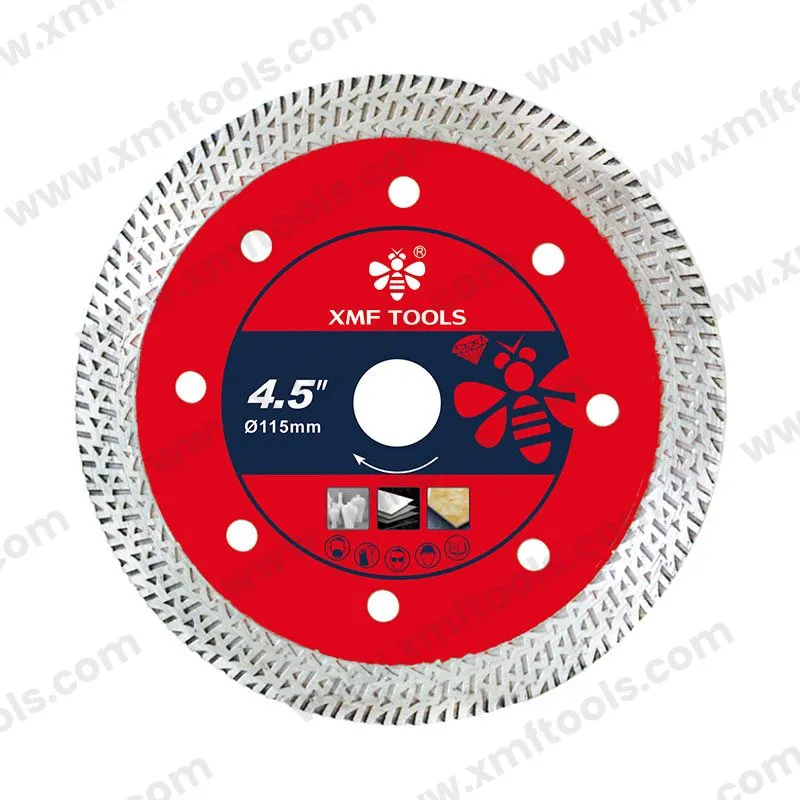
Definition of Wet Tile Saw Blade
A wet tile saw blade incorporates water during the cutting process, significantly reducing friction and heat. This feature not only prolongs the blade’s lifespan but also minimizes dust and improves cutting precision. In the industry, there are two primary types of wet tile saw blades—sintered and electroplated.
Sintered blades are crafted by fusing diamond particles with metal powder under high pressure and temperature. This method creates a durable blade with unparalleled strength and longevity, ideal for cutting hard materials like porcelain and granite.
Electroplated blades, on the other hand, use a process where diamond particles are bonded to a steel core using electroplating techniques. Although these blades might wear faster than sintered options, they often provide a smoother cutting action, making them suitable for softer tiles.
Application Scenarios for Wet Tile Saw Blades
Wet tile saw blades are versatile tools found in various applications:
Home Renovations: From bathrooms to kitchens, contractors and DIYers use wet tile saw blades to ensure clean cuts, particularly for intricate tile patterns where precision is key.
Commercial Projects: In new construction or remodeling projects, the use of wet tile saw blades can significantly reduce labor time while improving overall quality.
Artistic Installations: Artists and designers opt for these blades in creative works, where unique tile shapes are often required for aesthetic purposes.
Advantages of Using Wet Tile Saw Blades
Wet tile saw blades provide tremendous benefits that enhance overall project outcomes:
Reduced Heat and Friction: The water cooling system decreases the risk of blade warping or cracking under heat, allowing for uninterrupted work. The measured temperature drop can be up to 50°F when cutting, ensuring a longer blade lifespan.
Cleaner Cuts: By incorporating water, users can expect a reduction in dust by approximately 90%, leading to a cleaner working environment and minimizing post-cutting clean-up.
Versatile Use: These blades can effectively cut a variety of tile materials, including ceramic, porcelain, granite, and marble, making them a go-to solution for many different projects.
Ending: Next Steps and Guidance
To fully leverage the advantages of wet tile saw blades, consult your user guide for tips on blade maintenance and best practices for achieving optimal cuts. Consider trying the premium brand XMF for reliable performance and quality assurance.


Comments
Post a Comment